Should You Use Your Tax Refund To Pay Off Debt? Pros And Cons
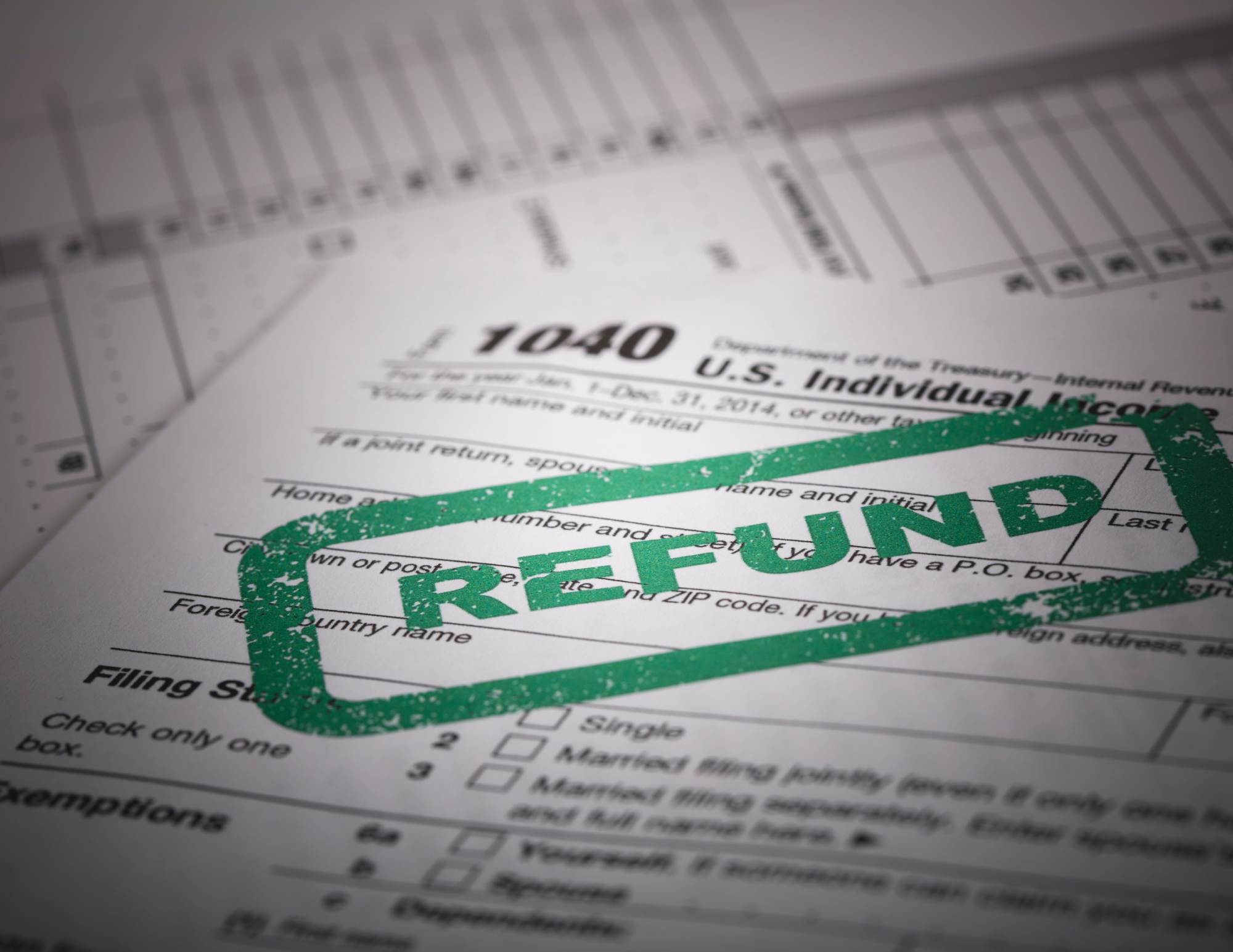
A tax refund usually arrives as one large payment, not an amount of money spread out over time. That makes it different from regular income and harder to replace once it’s spent.
For many households, what to do with this refund becomes the biggest financial decision they will make all year.
A common question comes up every tax season: should that money go toward paying off debt? A lower credit card balance can feel like progress, but the real impact becomes evident when the refund is gone and regular income has to continue to cover everything.
Using the refund without a plan can lower a credit card balance today but leave no cash for the next expense that comes up. Using it with a clear plan can reduce high-interest card balances and make the next few months’ finances easier to manage.
Key Takeaways
- A tax refund can reduce debt faster when interest is high.
- Using the full tax refund without savings can lead back to credit card use.
- The best choice depends on cash flow after the refund is spent.
- Splitting the refund can reduce risk while still making progress.
Why This Decision Matters
A tax refund is not money you can count on next month. It usually comes from having more taxes withheld from each paycheck than needed, which means it is a one-time payment, not extra income.
Once it’s used, there is no backup unless savings already exist. For many people, this refund goes toward choices they have put off, like catching up on bills, fixing a car, or dealing with debt that has been growing over time.
Understanding how tax refunds and withholding work can help set better expectations about how this money fits into the bigger picture.
How the refund is used determines whether the next unexpected expense is paid with available money or added to a credit card. The goal is to use the refund in a way that reduces the chance of taking on new debt later.
The Pros Of Using Your Tax Refund To Pay Off Debt
High-interest debt continues to grow even if no new purchases are made. Credit cards add interest every billing cycle, which means credit card balances can increase even when payments are made on time.
A large payment from a tax refund lowers the credit card balance right away. That reduces how much interest is added next month and every month after. Over time, this shortens how long the debt lasts and lowers the total amount paid.
When credit card balances drop, assuming there have been no new purchases, required payments usually drop on the next statement.
That change can free up money in the monthly budget right away. Lower payments make it easier to cover basics like food, gas, and utilities without moving money between bills or using a credit card to get through the month.
When debt goes down a little at a time, a credit card statement may look almost the same each month. A tax refund can lower a credit card balance in one payment, making the change easy to see. That visible drop on the statement helps people recognize progress and stay focused on their plan.
Debt affects everyday choices. It influences which bills get paid first, whether a car repair gets delayed, and when a credit card is used instead of cash. It also affects how often people check their bank account and whether they feel comfortable saying yes to plans that involve spending.
Lower credit card balances can mean fewer payment alerts, fewer last-minute trade-offs, and less pressure when an unexpected bill comes up. For many people, that relief makes it easier to plan for upcoming expenses instead of reacting to each month as it arrives.
The Cons Of Using Your Tax Refund To Pay Off Debt
You may have no cash left for emergencies. If the refund is used entirely to pay down debt, there may be no cash left for surprise expenses. When a car repair, medical bill, or home issue comes up, the cost often goes back on a credit card. Once new charges are added, interest can rebuild the credit card balance quickly.
Not all debt creates immediate problems. Some debt has a low interest rate and a fixed monthly payment that already fits into the budget.
Paying extra toward that debt can lower the total owed, but the monthly payment usually stays the same. That means there is no extra money freed up for groceries, gas, or other bills, and day-to-day spending looks unchanged.
In this situation, using part of the tax refund for savings or setting it aside for known expenses can make a bigger difference. That money can cover costs like insurance premiums, school supplies, or car maintenance when they come due.
Having cash ready for those expenses helps keep them off a credit card, instead of rebuilding the same credit card debt that was just paid down.
Credit card debt can grow again without changes. A tax refund can lower a credit card balance in one payment. What happens next depends on how the card is used day to day.
For example, paying down a credit card in March can feel like a win, but if the same card is used for groceries, gas, or small emergencies, new charges can add up within a few billing cycles.
By summer, routine expenses and interest can rebuild the credit card balance, leaving it close to where it started.

When Using Your Tax Refund To Pay Debt Makes Sense
Using a tax refund to pay down debt works best when:
- The debt has a high interest rate that adds to the amount owed each month.
- Monthly payments strain the budget or leave little room for other bills.
- Rent, utilities, and other essentials are already paid on time.
- Some cash is left after the payment to handle unexpected expenses.
In these situations, the refund lowers debt while also reducing day-to-day financial pressure.
When It May Be Better To Save Your Tax Refund

Saving your refund may make more sense if:
- There is no emergency savings to cover surprise expenses.
- Income changes from month to month and is hard to predict.
- Large expenses, like insurance payments or repairs, are coming soon.
- Current debt payments already fit into the budget without stress.
In these situations, keeping cash on hand can help cover upcoming costs without putting them on a credit card later.
A Balanced Strategy That Can Protect You
Some people choose not to use the entire refund for one purpose. Instead, they divide it based on how the money will be needed in the months ahead. Looking at upcoming expenses through a simple budget can make these decisions clearer.
One portion goes toward the highest-interest debt, where each dollar reduces future interest. Another portion is kept as cash to cover emergencies without using a credit card. The remaining amount is set aside for expenses already scheduled, such as insurance payments, school costs, or vehicle maintenance.
This approach lowers debt while keeping enough flexibility to avoid putting new charges back on credit cards when expenses come up.
Questions To Ask Before Deciding How To Use A Tax Refund
Before using the refund, it helps to answer a few specific questions:
- How much interest is added to my debt each month?
- How many months of basic expenses could I cover with savings?
- What bills or repairs are likely coming up in the next few months?
- After the refund is spent, will monthly expenses feel easier or tighter?
Clear answers show whether the refund will lower monthly bills and free up cash, or whether it will leave expenses uncovered that end up back on a credit card later.
Making The Most Of Your Tax Refund
Using a tax refund to pay off debt can be a smart move when it makes the months ahead easier to manage. Lower credit card balances help, but so does having enough cash to handle the next unexpected expense without borrowing again.
The right choice is the one that reduces pressure now and helps prevent the same debt from returning later. With a clear plan, a one-time refund can support steady progress instead of short-term relief.
As America’s trusted source for debt relief solutions, we aim to empower you with financial knowledge that can lead to informed decisions, whether it’s about savings, investments, or managing debt.
If your debt has become unmanageable and you have difficulty making your debt payments each month, then you should consider a free consultation call with one of our certified Debt Consultants, who can provide personalized advice tailored to your specific needs.
By taking proactive steps today, you can put an end to your financial stress and work towards a brighter financial future.
Remember, there is always hope for debt relief, and our team of experienced professionals are ready to guide you on your journey to regaining control of your finances.
For more information on Americor’s debt relief services, contact us today to see how we can help you eliminate your debts, and get on the fast-track to becoming completely debt-free!