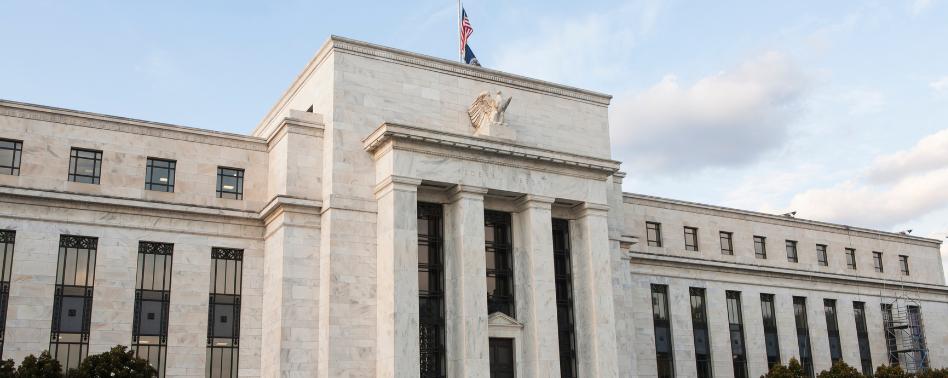
The Federal Funds Rate is the interest rate at which banks and other depository institutions lend or borrow money to each other overnight on an uncollateralized basis.
It is the primary tool used by the Federal Reserve, the central bank of the United States, to influence the supply of money in the economy and to control inflation.
The Federal Reserve sets a target for the Federal Funds Rate, which serves as a benchmark for short-term interest rates.
Changes in the Federal Funds Rate have a significant impact on the cost of borrowing for households and businesses, as well as the yield on savings accounts and other short-term investments.
*** SPECIAL NOTE *** – If your credit cards, personal loans, or medical debts have become unmanageable and you owe over $20,000… then go here for debt relief. We can help!
How The Federal Funds Rate Is Used
The Federal Reserve uses the Federal Funds Rate to pursue its dual mandate of promoting maximum employment and stabilizing prices.
When the economy is growing too quickly and inflation is rising, the Federal Reserve can raise the Federal Funds Rate to slow down the economy and reduce inflation.
Conversely, when the economy is in a recession and unemployment is high, the Federal Reserve can lower the Federal Funds Rate to encourage borrowing, spending, and investment, which helps to stimulate economic growth.
The Federal Funds Rate is determined through the interaction of supply and demand for overnight funds in the Federal Funds market.
Banks with excess reserves will lend them to other banks in need of funds to meet their reserve requirements.
The interest rate charged on these loans is the Federal Funds Rate.
The Federal Funds Rate And The Banking System
The Federal Reserve can influence the Federal Funds Rate by changing the supply of reserves in the banking system.
When the Federal Reserve wants to raise the Federal Funds Rate, it will sell government securities to banks, reducing the supply of reserves and making it more expensive for banks to borrow overnight funds.
Conversely, when the Federal Reserve wants to lower the Federal Funds Rate, it will buy government securities from banks, increasing the supply of reserves and making it cheaper for banks to borrow overnight funds.
Over a decade ago, the Federal Funds Rate was at historically low levels, due to the Federal Reserve’s efforts to support the economy during and after the Great Recession.
In December 2015, the Federal Reserve began to gradually raise the Federal Funds Rate, but it has since lowered the rate again in response to economic challenges, such as COVID-19.
Americor has helped over 500,000 clients on its “March to One Million” campaign to assist one million individuals and families to become debt-free and regain control over their finances.
As the nation’s trusted source for debt relief solutions, we empower our clients with financial knowledge that can lead to better informed decisions about savings, investments, and managing debt.
If your debt has become unmanageable, or is negatively impacting your savings or retirement goals, then have a FREE no obligation consultation call today with one of our Financial Consultants, who can provide personalized advice tailored to your specific needs.
By taking proactive steps today, you can put an end to your financial stress and work towards a brighter financial future. Our team of experienced professionals are ready to guide you on your journey to regaining control of your finances.
For more information on Americor’s debt relief services, contact us today to see how we can help you eliminate your debts, and get on the fast-track to becoming completely debt-free today.