How To Use A Minimum Payment Calculator To See The True Cost Of Credit Card Debt
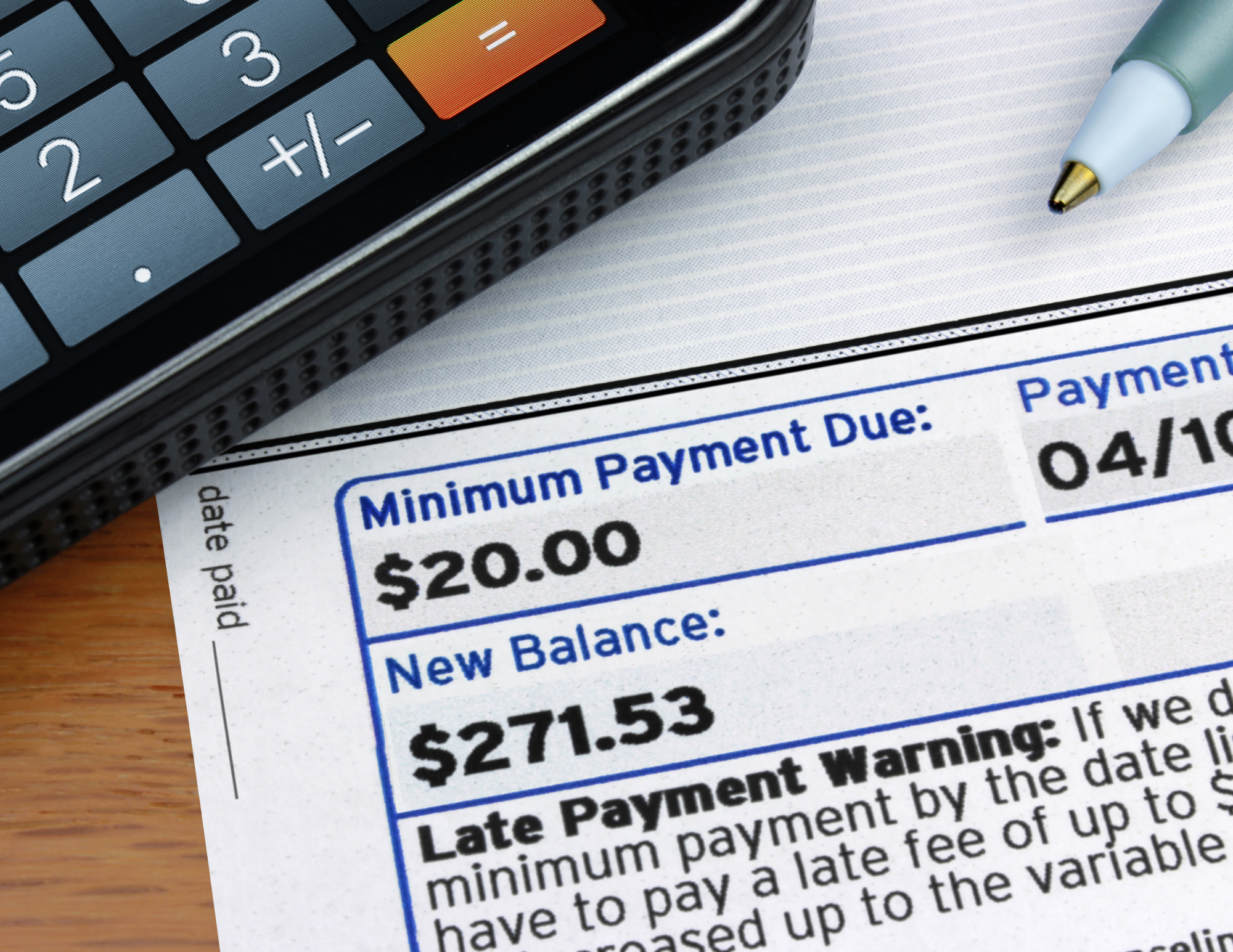
Paying the minimum on a credit card often feels like the responsible choice. You made the payment on time, avoided late fees, and kept your account in good standing.
But what most people never see is how much that minimum payment quietly costs over time.
A minimum payment calculator pulls back the curtain. It shows how long debt really lasts, how much interest piles up, and why balances can feel stuck even when you pay every month.
Once you see the numbers, it becomes easier to understand why credit card debt is so hard to escape.
Key Takeaways
- How minimum payments can keep you in debt for decades
- Why interest often costs more than what you originally spent
- A minimum payment calculator shows payoff time, total interest, and real cost
- How small payment increases can dramatically change outcomes
- Understanding the financial math helps you evaluate smarter debt options
What Is A Credit Card Minimum Payment?
A credit card minimum payment is the smallest amount a card issuer requires each month to keep an account current.
It is typically calculated as:
- A small percentage of the balance, often 1 percent to 3 percent
- Plus interest charges
- Plus any applicable fees
For example, with a $5,000 balance, a minimum payment may fall between $100 and $150 depending on the card’s terms. That amount is designed to feel manageable, even when the debt itself is growing.
Minimum payments are not based on what helps you get out of debt faster. They are structured to keep accounts active while interest continues to accrue.
Why Minimum Payments Are So Expensive Over Time

Minimum payments are costly because of compound interest. Credit card interest is typically calculated daily and added monthly. When a payment mostly covers interest, the principal balance is only reduced by a small amount.
In the early months of repayment:
- Most of your payment goes to interest
- The balance decreases slowly, sometimes by only a few dollars
- The repayment timeline stretches longer and longer
This is why many people feel like they have been paying forever with little progress. The math is working against them.
What A Minimum Payment Calculator Shows You
A minimum payment calculator translates confusing credit card statements into clear, measurable outcomes. It typically shows:
- How many years it will take to pay off your balance
- The total amount of interest you will pay
- The total cost of the debt over time
- How different payment amounts change the outcome
Tools like the Creditkarma debt repayment calculator allow consumers to enter their balance, APR, and minimum payment percentage to see exactly how long repayment would take and how much interest would be paid over time.
In addition, credit card statements are required to include payoff disclosures showing how long it would take to eliminate a balance by making only the minimum payment, as explained by the Consumer Financial Protection Bureau.
Seeing that a $5,000 balance could take 18 to 25 years to pay off can be shocking, and that interest could double the cost of the debt is often a wake up call.
How To Use A Minimum Payment Calculator Step By Step
Using a minimum payment calculator is straightforward, even if you are not a numbers person.
- Enter your current credit card balance
- Enter your APR or interest rate
- Enter the minimum payment amount or percentage
Once the calculator runs, review the payoff timeline and total interest. Then adjust the payment amount. Increase it by $25 or $50 and observe how the payoff time and interest change.
This is often the moment people realize how powerful small changes can be, and how unrealistic minimum payments truly are for long-term progress.
Real Example: Minimum Payment Vs Fixed Higher Payment
Here is a comparison for someone with an $8,000 credit card balance with 22% interest, and assuming they never make another purchase again on that card
Balance: $8,000
APR: 22 percent
Minimum payment option:
- Monthly payment starts around $160
- Time to payoff: Over 20 years
- Total interest paid: More than $11,000
Fixed payment of $300 per month:
- Time to payoff: About 3 years
- Total interest paid: Under $3,000
The difference is significant. Paying only the minimum can result in interest costs that rival or exceed the original balance over time.
Why Credit Card Companies Rely On Minimum Payments

Minimum payments benefit issuers because they extend repayment timelines. Longer timelines mean more interest collected over time.
Credit card companies are not incentivized to help consumers pay off debt quickly. Revenue comes from interest, fees, and ongoing account usage. Minimum payments help keep balances active.
This does not mean credit cards are inherently bad. It means the system is designed in a way that requires consumers to actively fight the math to make real progress, or simply pay off their balances each and every month.
When A Calculator Becomes A Wake Up Call
Many people use a minimum payment calculator out of curiosity and walk away with a completely different mindset.
Common realizations include:
- Seeing they may still be paying off credit card debt in retirement
- Feeling frustrated that years of payments barely reduced the balance
- Understanding why debt feels emotionally exhausting
That clarity is often the first step toward meaningful change. Awareness of one’s financial situation replaces guesswork about what it will take to achieve their goals.
What To Do If The Numbers Feel Overwhelming
If the results feel discouraging, that reaction is normal. The goal is not to panic. The goal is clarity.
Some people tighten budgets or redirect income. Others explore ways to reduce interest or simplify multiple balances. What matters most is shifting from survival payments to making real progress.
When credit card balances are high and interest rates are over 22 percent, even disciplined payments may not be enough without a structural change to the debt itself.
How Debt Relief Changes The Math
Debt relief works differently than traditional repayment. Instead of stretching payments over decades, it focuses on reducing the balance itself.
By negotiating with creditors, the total amount owed can be lowered. This shortens pay off timelines, reduces total cost, and removes interest as the driving force behind repayment.
For people overwhelmed by minimum payments, this approach replaces endless math with a defined and predictable path forward.
Understanding The True Cost Of Credit Card Debt
A minimum payment calculator is more than a tool. It is a reality check. It shows what minimum payments hide and why debt can feel endless even when you do everything right.
Running your numbers gives you control. It helps you decide whether small changes are enough or whether a bigger shift makes sense.
Understanding the true cost of credit card debt is the first step toward choosing a smarter, more sustainable way out.
As America’s trusted source for debt relief solutions, we aim to empower you with financial knowledge that can lead to informed decisions, whether it’s about savings, investments, or managing debt.
If your debt has become unmanageable and you have difficulty making your debt payments each month, then you should consider a free consultation call with one of our certified Debt Consultants, who can provide personalized advice tailored to your specific needs.
By taking proactive steps today, you can put an end to your financial stress and work towards a brighter financial future.
Remember, there is always hope for debt relief, and our team of experienced professionals are ready to guide you on your journey to regaining control of your finances.
For more information on Americor’s debt relief services, contact us today to see how we can help you eliminate your debts, and get on the fast-track to becoming completely debt-free!