Credit Card Sign-Up Bonuses: Are They A Hidden Trap?

Credit card sign-up bonuses can look like an easy way to earn extra money. A quick cash reward, a stack of points, or even a free flight can sound tempting, especially when budgets feel tight.
Many people see these offers as a smart financial move. But the truth is that sign-up bonuses often come with risks that are easy to overlook.
Key Points
-
- How sign-up bonuses work and typical spending requirements
- Why bonuses encourage overspending
- How interest charges can erase any reward
- How new cards affect your credit
- Warning signs a bonus might be a trap
- When bonuses can help and when they hurt
- Safer alternatives
- When to consider professional debt help
What Is A Credit Card Sign-Up Bonus?
When you open a new credit card, the company may offer a reward if you spend a certain amount within a set period. Examples include cash rewards, bonus points, or travel miles.
These promotions are designed to attract new customers because they feel rewarding and simple, and the Federal Trade Commission offers guidance to help consumers understand how credit card offers really work.
However, the bonus itself is only part of the picture. The company earns money through interest and fees when people carry balances. This is why many bonuses come with high spending requirements or high APRs.
Why Sign-Up Bonuses Feel So Tempting
A bonus can make you feel like you are getting something valuable for free.
The deadlines add pressure, and the idea of earning points or cash triggers excitement. Even people who normally budget carefully can feel motivated to spend more than usual.
Some common reasons bonuses feel irresistible include:
- The reward seems like extra income
- The deadline makes spending feel urgent
- It feels like a smart financial move
- Credit cards feel less serious than loans
- Rewards create a sense of winning
The Hidden Trap Behind Spending Requirements

Overspending is the most common problem people face with sign-up bonuses.
Many bonuses require spending far more than someone usually spends in a short period of time. For example, if your normal monthly spending is $800 but the card requires $3,000 in 90 days, you may push past your comfort zone.
It is easy to think you will pay the balance later. But unexpected expenses or tight months can leave you carrying the balance for longer than planned. This is where the real cost begins.
How Interest Can Erase Your Reward
Most bonus cards have APRs between 20 and 30 percent. Even small balances can grow quickly. A $200 bonus can disappear fast if you carry a balance for several months.
For example:
- Bonus earned: $200
- Interest on a $1,000 balance for 6 months at 25 percent APR: about $125
- A late fee or two: $25 to $35
The bonus loses its value, and you may end up paying more than you received.
How Sign-Up Bonuses Affect Your Credit
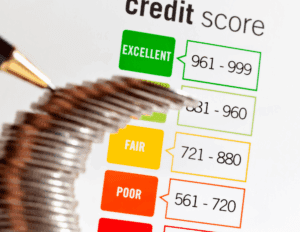
Opening a credit card influences your credit in several ways.
Each new account becomes part of your credit history, and the way you manage it can either help or hurt your score. If you are already dealing with high balances or late payments, adding another card can make these effects even stronger.
Hard Inquiry
Each application creates a credit check that lowers your score slightly.
Lower Average Age Of Accounts
A new card shortens your credit history.
Higher Utilization
If you spend heavily to earn the bonus, your balance may jump. High utilization lowers your score quickly.
More Temptation
Having more available credit can lead to more spending, especially during stressful times.
When A Bonus Can Actually Be Helpful

A sign-up bonus can be useful in certain situations, such as:
- You already budget for the required spending
- You pay the card in full every month
- You have stable income
- You needed to make a large planned purchase
- You only open one card at a time
If you do not increase your spending and avoid carrying a balance, the bonus can add value. But this requires discipline and planning.
Warning Signs A Bonus Is A Trap
A bonus may not be worth it if:
- The spending requirement is higher than your normal budget
- You are unsure you can pay the balance in full
- You have high-interest debt already
- You have missed payments or fallen behind
- You rely on credit cards for monthly bills
- The APR is high
- You have opened several cards recently
When these signs are present, the bonus can lead to more financial pressure.
If You Have Been Chasing Bonuses
Some people fall into a pattern of opening card after card just to earn more bonuses. This is sometimes called credit card churning, and it can become overwhelming very quickly.
At first, the rewards feel exciting and easy to earn. But as more accounts are opened, the responsibilities start piling up.
Tracking due dates, minimum payments, spending requirements, and bonus deadlines can turn into a full-time task.
A single missed payment can lead to late fees and penalty interest rates, which erase the value of any reward you earned. Over time, multiple open cards can create high balances, confusion, and a lower credit score.
The excitement eventually fades, but the debt and stress can remain. If you recognize this pattern in your own habits, it may be a sign to pause, reassess, and look for a healthier financial strategy.
Safer Alternatives To Credit Card Bonuses
If you like earning rewards but want to avoid overspending, consider:
- A simple cash-back card without spending requirements
- A debit card with rewards
- A low APR credit card
- A 0 percent balance transfer to pay down existing debt
- Savings or budgeting challenges that help build good habits
These options let you stay in control without pushing you to spend more.
When To Consider Debt Relief
If sign-up bonuses or regular credit card spending have created balances that feel overwhelming, debt relief may help.
Debt resolution programs like Americor’s work by negotiating with your creditors to reduce what you owe. This can lower your stress, reduce your payments, and help you move toward becoming debt free.
How To Avoid Credit Card Debt And Stay In Control Of Your Finances
If your credit cards, interest rates, or overdue balances have become difficult to manage, Americor is here to help. Our team supports people who feel overwhelmed by debt and want a clear way forward.
Through debt resolution, we negotiate with your creditors to help reduce what you owe and help you work toward becoming debt free faster. You deserve a fresh start. Reach out today to see how Americor can support your journey toward financial freedom.
If you’re already working with Americor, you’re on the right path toward a brighter financial future. And if you’re just starting to look for help, Americor can guide you toward becoming debt-free through proven strategies that work. Our certified team is ready to help you take control, one smart decision at a time.
As America’s trusted source for debt relief solutions, we aim to empower you with financial knowledge that can lead to informed decisions, whether it’s about savings, investments, or managing debt.
If your debt has become unmanageable and you have difficulty making your debt payments each month, then you should consider a free consultation call with one of our certified Debt Consultants, who can provide personalized advice tailored to your specific needs.
By taking proactive steps today, you can put an end to your financial stress and work towards a brighter financial future.
Remember, there is always hope for debt relief, and our team of experienced professionals are ready to guide you on your journey to regaining control of your finances.
For more information on Americor’s debt relief services, contact us today to see how we can help you eliminate your debts, and get on the fast-track to becoming completely debt-free!